Why I Love Shooting Outside in the Winter
By Brandon Leichter, Owner - Allen’s Camera
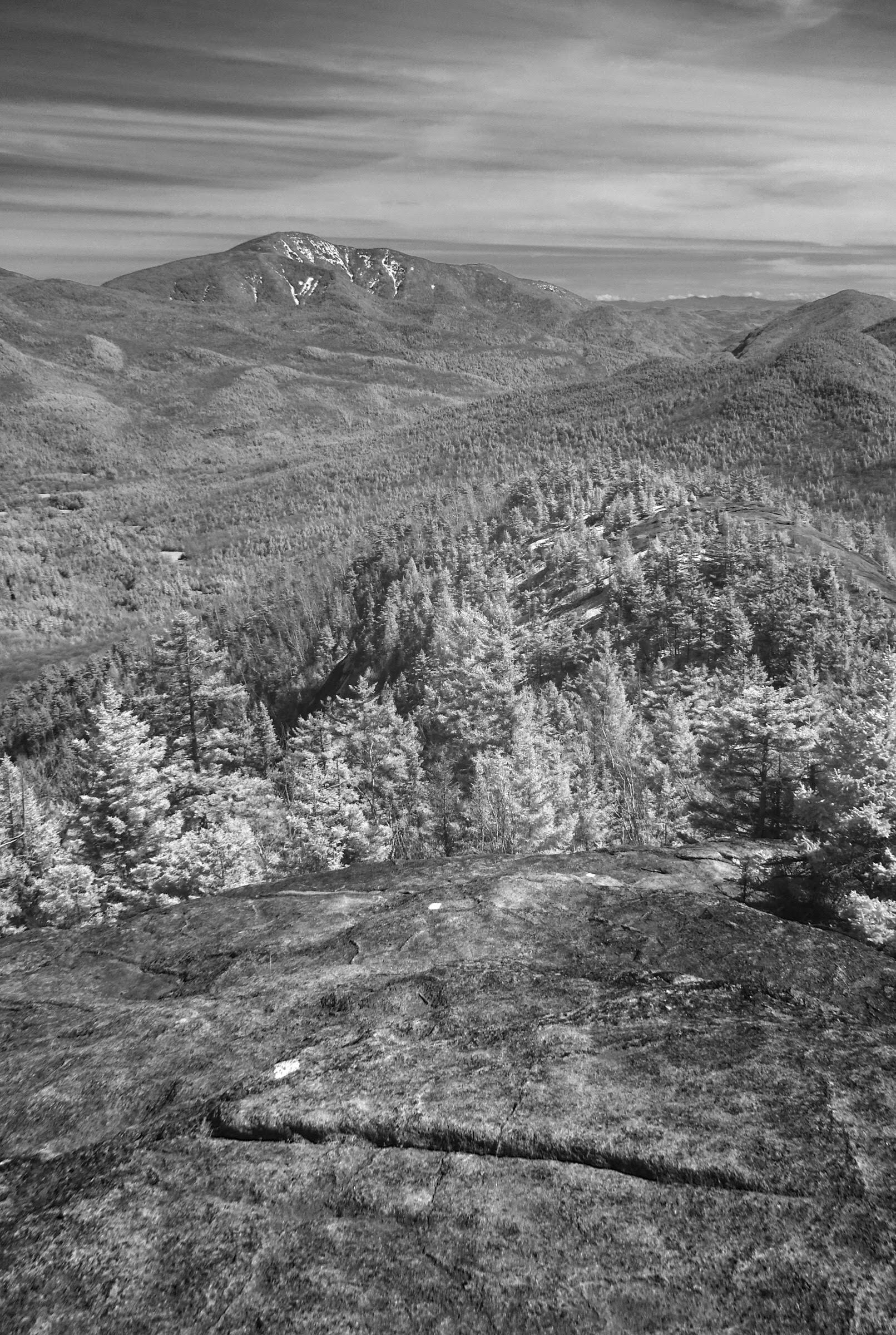
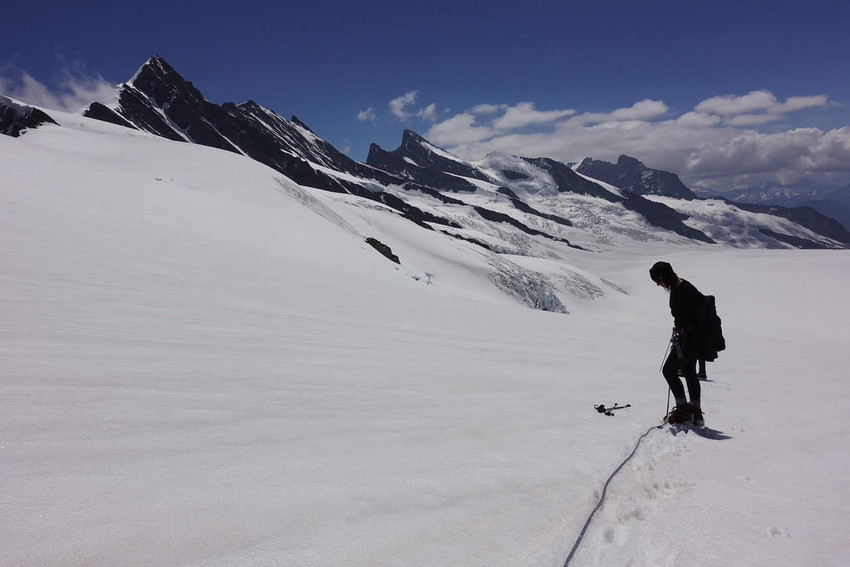
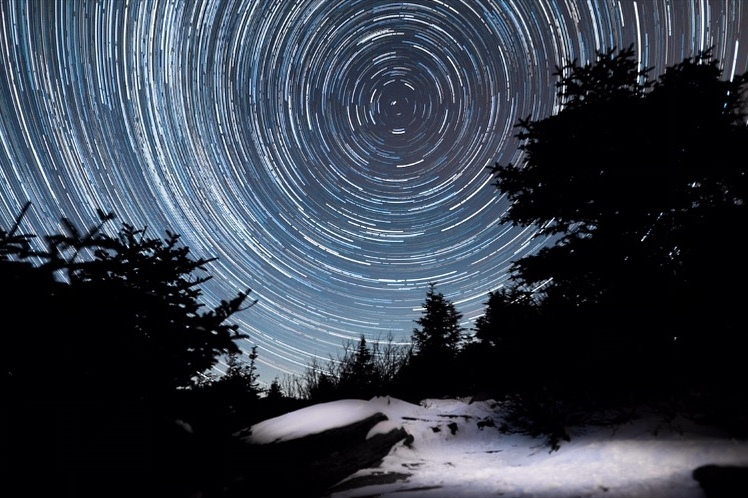
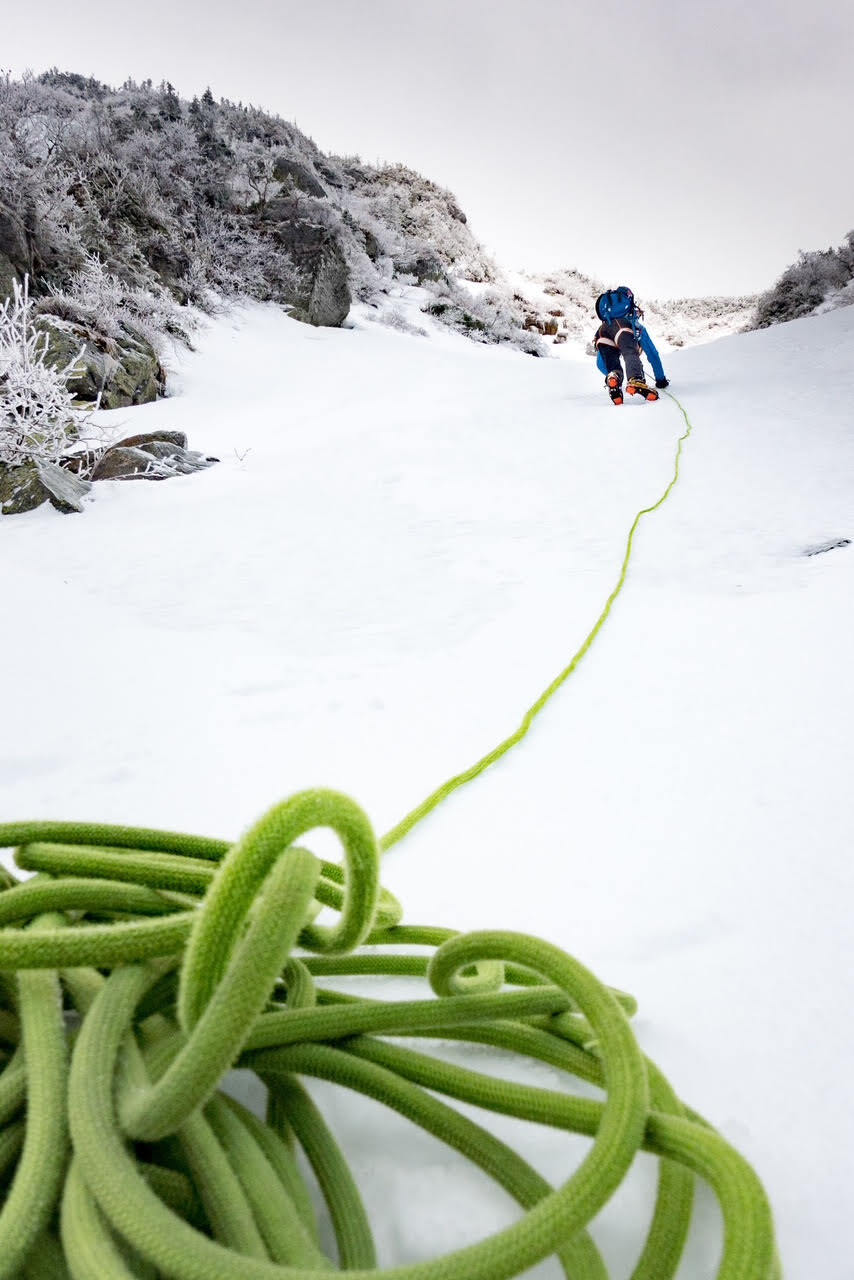
I’m an avid hiker and winter backpacker/camper, I’ve spent many days hiking through snow, ice, and bitter cold with a camera in my backpack. There’s a simple beauty to winter, the air is clearer, the light is cleaner, and the mountain is peacefully quiet.
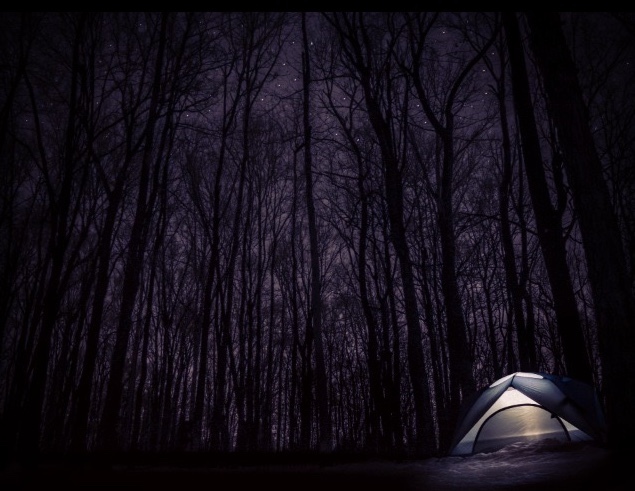
From a photography standpoint, winter offers things no other season can. Snow simplifies scenes. Wildlife stands out more clearly. Fewer people are willing to brave the cold, which means quieter trails and untouched scenes. If you are willing to prepare and embrace the conditions, winter can be one of the most rewarding times to shoot.
Winter does not forgive poor preparation. Cold temperatures, wind, moisture, and reduced battery performance can quickly turn a great day into a frustrating one. These are the same tips and gear considerations I rely on every winter, whether I am hiking deep into the woods or just stepping out into your backyard after a snowfall. One thing I always remind people is that winter doesn’t care how far you traveled.
What Cold Really Does to Your Camera
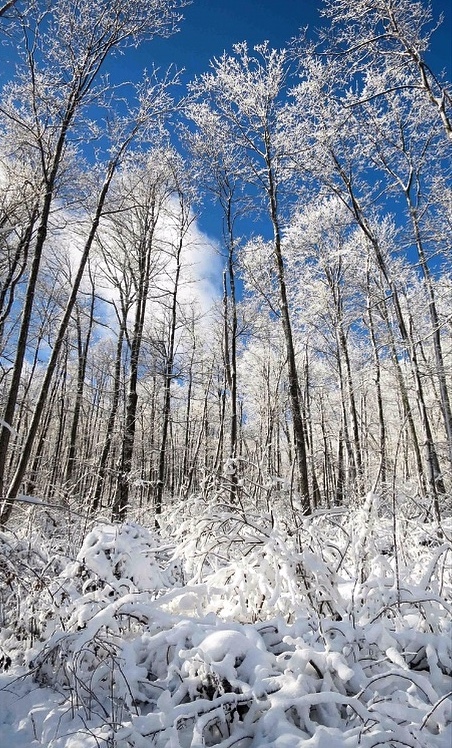
Cold doesn’t usually break cameras. Moisture and poor transitions do.
Most cameras can handle freezing temperatures just fine for short periods. Where people run into trouble is batteries draining fast, condensation forming when they rush indoors, or moisture getting into places it shouldn’t during lens changes.
One thing I always tell customers is this: winter photography is less about what brand you use and more about how you use it.
The Brands and Cold Weather Reality
Some manufacturers design with winter in mind more than others. When I’m backpacking I shoot with my OM-1 Mark II.
OM SYSTEM is the one brand that openly talks about shooting below freezing. Their flagship bodies are rated to operate down to –10°C, and they market that freeze proof design as a core feature. If you regularly shoot in snow, sleet, and wind, that matters.
Canon, Nikon, Sony, and Fujifilm all make excellent weather-sealed cameras that perform well in winter, but they generally treat cold as an edge condition rather than a design focus.
No matter what system you use, batteries and condensation will be your biggest challenges.
Benro and Promaster Tripods - If winter shooting is something you do often, especially in snow, ice, or on long hikes, a carbon fiber tripod is worth the investment. The reduced weight, better feel in cold conditions, and improved vibration control make a real difference when you are standing out in freezing air trying to get that perfect long exposure.
Tips and Tricks for Managing the Cold
1. Protect Your Camera From Snow and Moisture: Snow melting on warm gear is one of the biggest risks in winter photography.
- Use a dedicated rain or snow cover whenever precipitation is present
- Keep a microfiber cloth accessible for clearing snow from lenses
- Use
- Avoid brushing snow with gloves, which can smear moisture onto glass
Gear Options
OPTECH Rainsleeve 18 inch Pack of 2
Simple, effective protection that belongs in every camera bag
LensCoat RainCoat and complete line of products
Ideal for wildlife, sports, and long lens winter shooting
2. Manage Battery Life in the Cold: Cold temperatures can cut battery life in half or worse.
- Carry at least one extra battery
- Keep spare batteries in an inside pocket close to your body
- Swap batteries before they are completely drained
- A “dead” battery may recover some charge once warmed up.
3. Keep Your Hands Warm Without Losing Control: If your hands are cold, your shooting will suffer.
- Use gloves designed specifically for photographers
- Look for fold-back fingers or touchscreen compatibility
- Avoid bulky ski gloves that make dial control difficult
Gear Options: ProMaster 4 Layer Photo Gloves
Designed for photographers who shoot in real winter conditions
4. Control Exposure in Snowy Scenes: Snow fools camera meters, often resulting in gray, underexposed images.
- Dial in +1 to +2 stops of exposure compensation when shooting snow
- Use the histogram rather than trusting the LCD
- Shoot RAW to preserve highlight detail
5. Prevent Condensation When Moving Indoors: Condensation can form inside your camera when cold gear enters warm spaces.
- Place your camera and lens in a sealed plastic bag before going indoors
- Let gear slowly warm up before removing it from the bag
- Store silica gel packs in your camera bag to absorb moisture
6. Dress for the Shoot, Not the Walk: Comfort keeps you shooting longer and thinking clearly.
- Dress in layers rather than one heavy coat
- Use a windproof outer layer
- Wear insulated, waterproof footwear
Why Winter Is Worth It
Winter photography forces you to slow down. You shoot with intention. You think before you act. And when everything comes together, the results are different from anything you’ll get the rest of the year.
The photographers who thrive in winter aren’t the toughest. They’re the most prepared. Next time you're in the store, feel free to ask me about the cold weather gear I wear.
If you respect the conditions, manage your batteries, protect your gear from moisture, and plan ahead, winter becomes one of the most rewarding seasons you can shoot.